

Payment Tracking Systems That Actually Work
Practical approaches to monitoring who’s paid, who owes you, and when payments are due. Simple systems that scale as your business grows.
Learn what elements your invoices must include to comply with Hong Kong regulations and ensure you’re protected legally when collecting payment.
A proper invoice isn’t just a receipt. It’s your legal proof of a transaction, and in Hong Kong, it’s what gives you the authority to chase payment when someone’s late. Without the right details on that piece of paper, you’re basically asking for trouble when collections get difficult.
Many small business owners rush through invoicing because it feels like paperwork. But here’s the thing — the Inland Revenue Department takes invoice requirements seriously, and so should you. We’ll walk through exactly what you need on every invoice, what you can skip, and how to set yourself up so payment tracking isn’t a nightmare down the road.
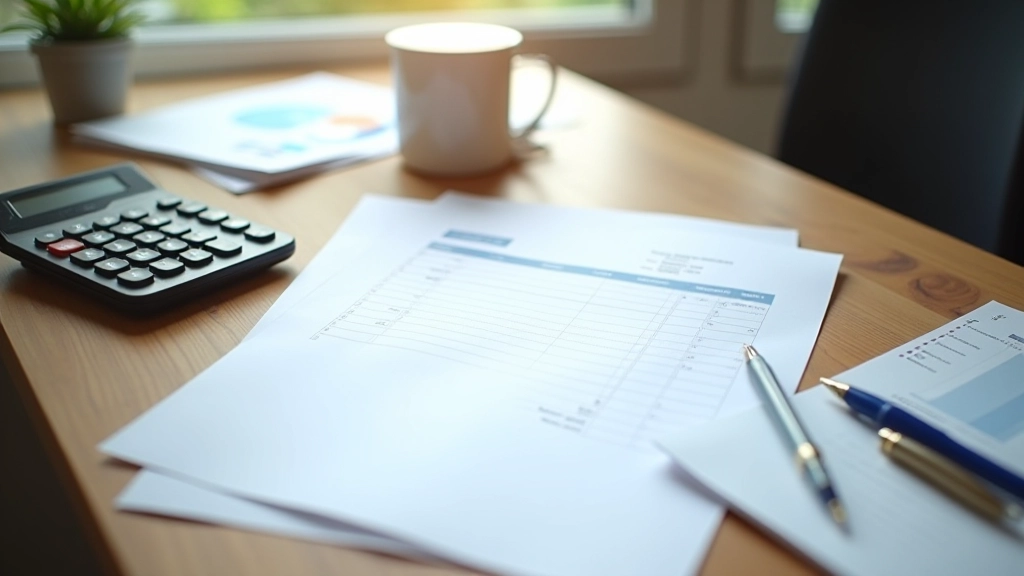
Hong Kong’s Inland Revenue Department has a clear list of what makes an invoice valid. It’s not a suggestion — it’s the baseline requirement. Miss something, and you’re risking disputes when you try to collect.
Your company name, registration number (if you’re registered for GST or similar), and your business address. This identifies who’s providing the service or goods. No surprises here — it’s basic identification.
Full name and address of the person or company you’re billing. Don’t abbreviate or guess. If you’re invoicing a corporation, use their registered business name, not a nickname.
A unique sequential number and the date the invoice was issued. You’ll need this for tracking and tax purposes. Keep your numbering consistent — don’t skip numbers or go backwards.
Be specific. “Consulting services” isn’t enough. Write “Web design consultation — 5 hours at HK$500/hour” or “50 units of Product X at HK$200 per unit.” Vagueness invites disputes.
Total amount in Hong Kong dollars (or currency agreed), and when you expect payment. “Due upon receipt” is clear. “Net 30” means 30 days. Make it explicit so there’s no argument later.


The essentials keep you legal. But there’s more you can add to make collecting payment easier and faster. These aren’t mandatory under Hong Kong law, but they’re smart business practice.
Include a payment reference or purchase order number if your client gave you one. Add your bank details — make it dead simple for someone to pay you. Some businesses include a late payment interest clause (clearly stating something like “2% monthly interest on overdue amounts”). That’s perfectly legal and often acts as a gentle incentive to pay on time.
We’ve seen invoices that include a “terms and conditions” line at the bottom. Things like “All invoices due within 30 days” or “Payment must be received by [date].” It seems small, but when you’re chasing payment three months later, having that written down matters. It shows you weren’t vague about expectations.

Here’s what most small business owners get wrong: they think creating a compliant invoice is the end of the story. It’s not. You need to keep copies, and you need to keep them properly.
Hong Kong tax law requires you to keep invoices for at least 7 years. Not 3, not 5 — seven. That sounds like a lot, but think about it practically. If someone disputes a payment from 2 years ago, you need to pull up that original invoice and prove what was agreed. Digital copies work fine, but they need to be legible and stored securely. Don’t rely on a single copy on your laptop.
The other thing — when you send an invoice, keep proof you sent it. An email confirmation, a delivery receipt, whatever. When payment disputes happen (and they will), you’ll need to prove the client actually received the invoice with the agreed terms.


This article provides educational information about invoice requirements in Hong Kong. It’s not legal or tax advice. Invoice requirements can vary depending on your business structure, industry, and whether you’re registered for GST or other tax obligations. We recommend consulting with a qualified accountant or tax advisor to ensure your invoices fully comply with current Hong Kong Inland Revenue Department regulations and your specific business circumstances.
Creating a compliant invoice takes maybe 5 extra minutes when you set it up properly the first time. But those 5 minutes of attention to detail save you weeks of headaches if payment gets delayed or disputed. You’re not just filling out a form — you’re building a legal document that protects your business.
Start with the essentials: your details, their details, what you’re providing, and how much it costs. Add the smart extras like payment terms and bank details. Store copies properly. Then when someone’s slow to pay, you’ve got the documentation to back up your follow-up conversations.
Your invoicing system is the backbone of cash collection. Get it right from the start, and everything else — tracking payments, following up on overdue accounts, collecting money — becomes simpler and more professional.